Brief History
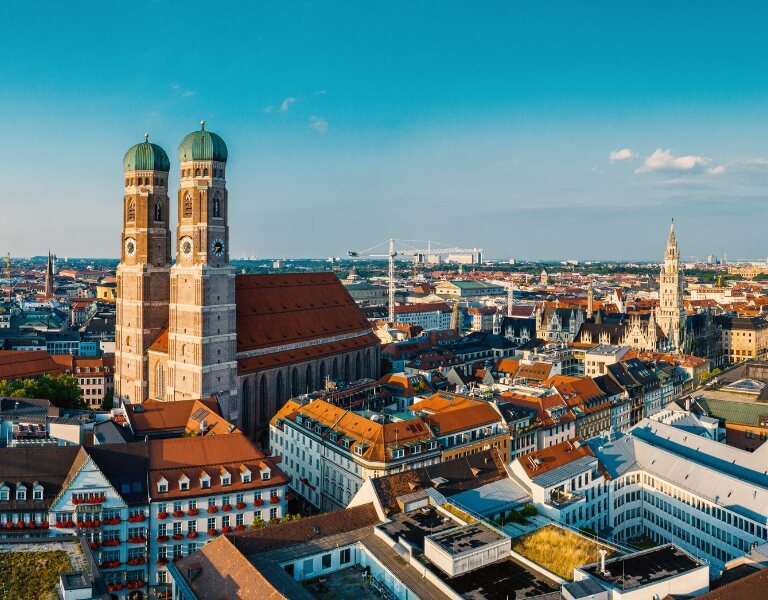
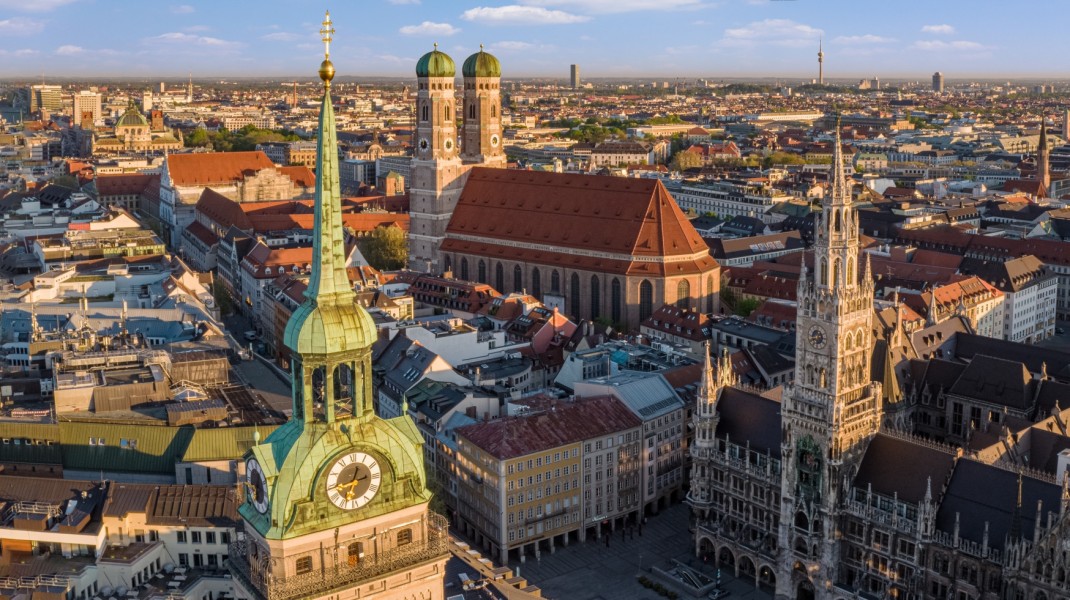
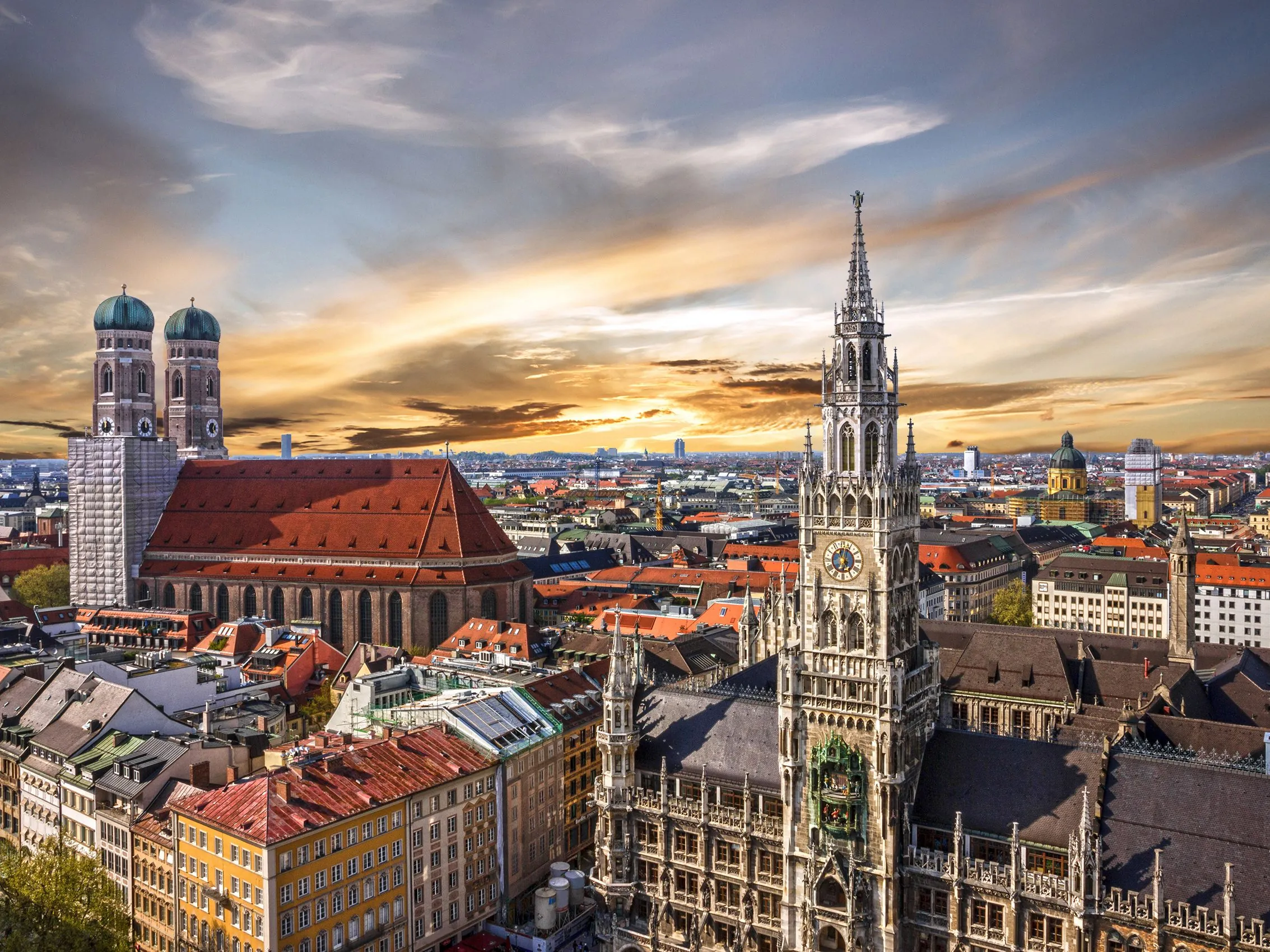
Munich, known in German as München, has a long and compelling history that stretches back more than 800 years. The city was officially founded in 1158, when Duke Henry the Lion granted monks from a nearby Benedictine monastery the right to establish a market on the banks of the River Isar — a strategic location for trade and settlement that would lay the foundation for Munich’s growth. Throughout the Middle Ages and into the early modern era, Munich became increasingly important as a political and cultural center. By 1506, it had become the capital of the Duchy of Bavaria, a status that reinforced its influence in the region. Under the Wittelsbach dynasty, which ruled for centuries, the city flourished and expanded, attracting artists, thinkers, and architects whose work still shapes Munich’s landscape today. The 19th century marked a significant era of transformation as Munich evolved into a vibrant cultural hub. Kings like Ludwig I championed the arts and urban development, commissioning grand boulevards, museums, and neoclassical monuments that reflected both Bavarian pride and European artistic trends. The 20th century brought both triumphs and trials. Munich was a key stage for pivotal historical events, including the Beer Hall Putsch of 1923, an early and ultimately failed coup attempt that played a crucial role in the rise of the Nazi movement. During World War II the city suffered extensive bombing, but many historic sites were later rebuilt or restored. After the war, Munich grew into an economic and cultural powerhouse, known for its thriving industries, world‑renowned festivals, and extensive cultural institutions. Today, Munich blends its deep historical roots with a dynamic modern identity. It is celebrated for its architectural heritage, vibrant arts scene, influential universities, and international events — all of which reflect the city’s evolution from a medieval market town to a global cultural and economic center.
Marienplatz Old Town Hall